|
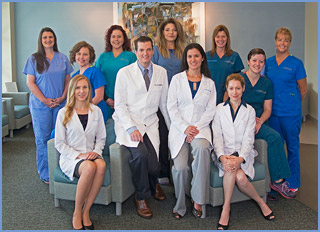
The Thyroid & Endocrine Center of Florida is an independent, subspecialty medical practice dedicated to thyroid and parathyroid disease. Our board-certified Endocrinologists provide comprehensive evaluation and treatment of thyroid nodules, thyroid cancer, thyroid cysts, and goiter in addition to expert medical care of Graves' disease, hyperthyroidism and thyroid disorders complicating pregnancy. For patients with hyperparathyroidism, we provide a thorough investigation into the cause and the potential need for surgery as well as the identification of concomitant thyroid problems.
We are an independent medical practice, not part of a large corporate medical business model. We are therefore not influenced by corporate quotas or management mandates on how much time we can spend with each patient. Our medical expertise is tailored to each individual patient.
We are proud to provide multilingual medical services in English, Hungarian, and Polish.
We offer telemedicine appointments via Zoom and phone visits (when appropriate).
|